Love, Laughter, and a Touch of Magic: Why I Write Romcoms

When I first became a published poet, I never imagined I’d end up writing romantic comedies. But somehow, poetry led me to screenplay writing, and that led me to prose, and prose led me to falling head over heels… for writing stories about people who fall head over heels.

These days, my romcoms explore all kinds of love: contemporary stories grounded in real-life awkwardness and joy, and magical ones where enchantment sneaks into everyday life.

What do they all share?

✨ Swoonworthy heroes who make your heart skip.

✨ Feisty heroines who say what they mean and know how to kick some serious butt

✨ And love that shows up in the oddest circumstances: free round-the-world plane tickets, accidental double bookings, piglets leaping out of transport trucks, surprise leaps back in time.

I write romance with main characters in their late 20s to early 40s, because that’s when many of us are still figuring ourselves out. I want to remind readers that love doesn’t have a timeline.

Love just happens, usually when you least expect it, and more often than not, it arrives with a touch of comedy, like a wink from the universe.

And yes, there’s still poetry. I can’t help myself. It’s tucked into the rhythm of my sentences, the way my characters see the world, shaping my metaphors, the rhythm of my prose and the way my characters speak and feel.
But through it all, there’s been a constant magic: you.

To my WordPress family, my Goodreads friends, my Insta family, my Facebook readers, and the Threaders I chat with on a daily basis—thank you!

Your comments, reviews, DMs, email notes, and hugs (so glad we can do that again!) at book events make this writing life feel less like a job and more like a shared adventure.

You cheer me on when finding the right words feels tricky, and you celebrate with me when the characters finally kiss (or leap back in time!).

I write these books to make you laugh, swoon, and help you to believe that love can crash into your life in the oddest—and most wonderful—ways.

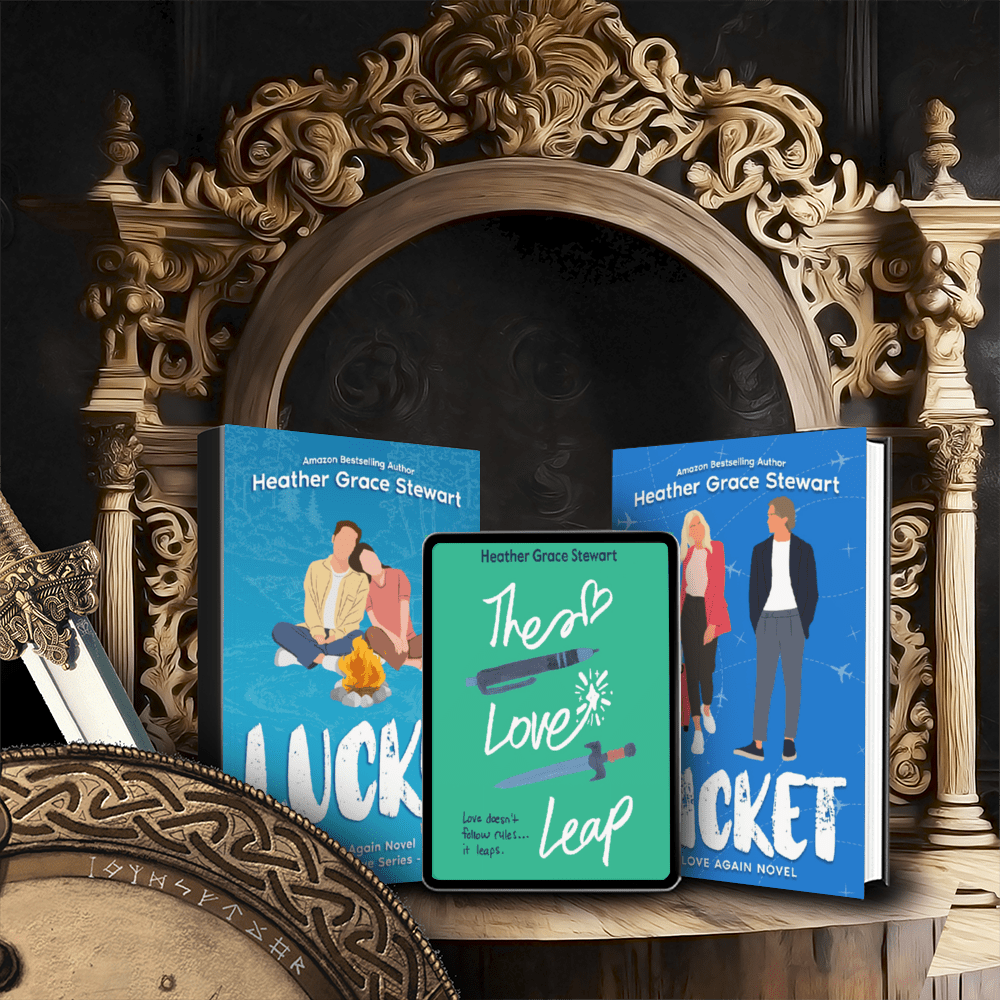
So if you’ve ever picked up The Ticket, Good Nights, Lauren from Last Night, Lucky, The Love Leap, or any of my other books, this is a hug from me to you.

With love and gratitude,

Heather 💖

Expert Writing Advice I’m Glad I Followed

From my high school English teacher to Oscar winner Aaron Sorkin, these conversations with writers have helped me succeed

I’ve received a lot of valuable writing advice over the years, and it was all free. Yup. Free! These kind people graciously gave of their time and expertise to help this Canadian writer from small-town-Ontario get to where she is now. Where am I again?

But I jest. I’m grateful to have Amazon bestselling novels, audiobooks and scripts after 26 years of working as a professional writer, and I have these and other writers to thank. Unless I’ve added quotes because I got the advice in writing, these are memories from our conversations—some of which took place 35 years ago! and not direct quotes.

Sally Smith, former editor of The Kanata Kourier and my first writing mentor (I was 15!)

Write with your heart, edit with your mind.

Frances Connolly, my amazing high school English and creative writing teacher

Don’t forget to add in taste as a description. We often read about the sense: vision, sound, even feel, sometimes we get scents, but authors often forget to describe flavours. Cover the whole spectrum of senses for maximum emotional impact in your reader.

Aaron Sorkin, Oscar-winning Screenwriter, Playwright and Film Director (The West Wing, The Social Network, Being the Ricardos)

I asked him what to do when a sub-character won’t shut up:

“Strictly speaking if you’re writing page after page that doesn’t have anything to do with your story, you might be writing a different story than you think. Intention and obstacle. Forward motion. You have to make your words do something.”

I asked him his thoughts on recycling our own material:

“Some things are just always sexy, and some things are just always funny.”

When I pressed him: what’s always funny? I got “Cheese.” Me: “But not Gouda! That’s smelly.” Him: “Not actual cheese. The word cheese.”

You might notice I make a reference to cheese in nearly every single work I’ve written since 2010. I always will. Maybe it’s not funny anymore, but you can all look for this Easter egg in my work and smile now, knowing where it came from, and that it’s my way of saying thanks.

Michael J. Weithorn, award-winning writer-producer-director (King of Queen’s, A Little Help, The Sidekick, Weird Loners)

You can always increase the tension. Tear your character’s world apart dramatically. It makes for the falling back together at the end more powerful. 

 Ken Cuthbertson, award-winning author and former editor, Queen’s Alumni Review magazine

Every time you write, make sure you teach the reader something. When they’re finished the article, they should always have new information and hopefully a new perspective.

We’re a helpful bunch, because we know the struggle is real.

The moral of my story is: if you don’t ask, you don’t get! So, don’t be shy. Ask a writer you admire a question. Maybe you can find them on social media, or if you’re lucky, in line at registration at a writers conference. But buy them a book, not a drink. Times have changed.

Writers are usually willing to help those who remind them of where they started. I know I am -but please let’s pretend I’m still 26.

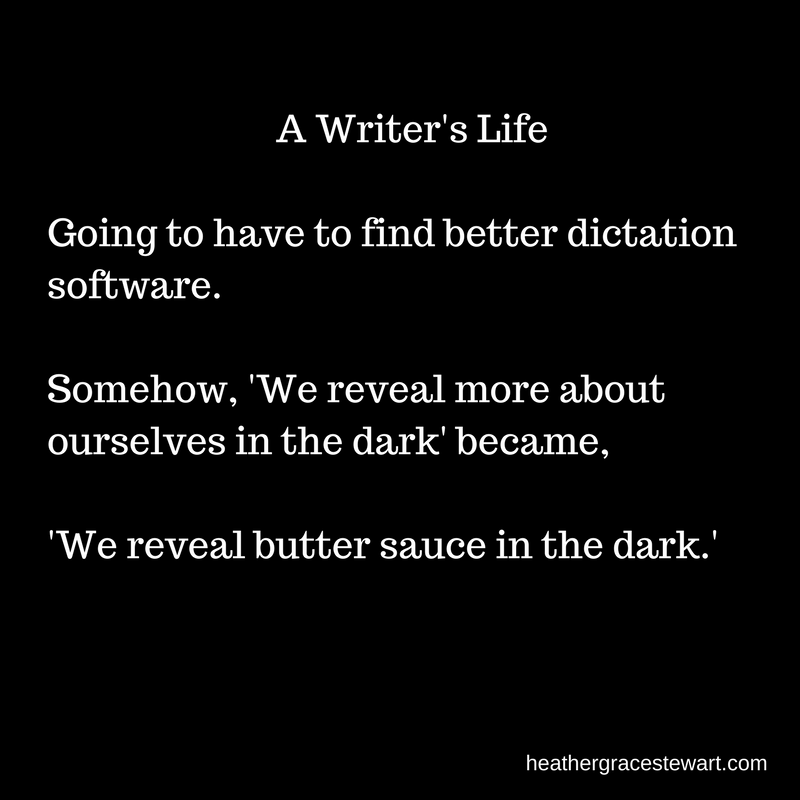
A Writer’s Life: Butter Sauce

A Writers LifeGoing to have to find better dictation software. Somehow, 'We reveal more about ourselves in the dark' became 'We reveal butter sauce in the dark.'(2)

Win a $25 Amazon Gift Card!

The draw to win a $25 Amazon Gift Card is April 25. Don’t forget you can enter to win (and sign up for all of my book bargain news & monthly Amazon gift card contests ) at this link:

ENTER DRAW

Watch for me that day live on FB @ 4 EST when I announce the winner and answer questions /chat with whoever can make it out.

Sorry I can’t do my Q&A vids more regularly but I’m hard at work on a couple novels. I’ll let you know when I’m ready to do a live Q&A a few days in advance here on this blog, and on my Facebook Author Page.

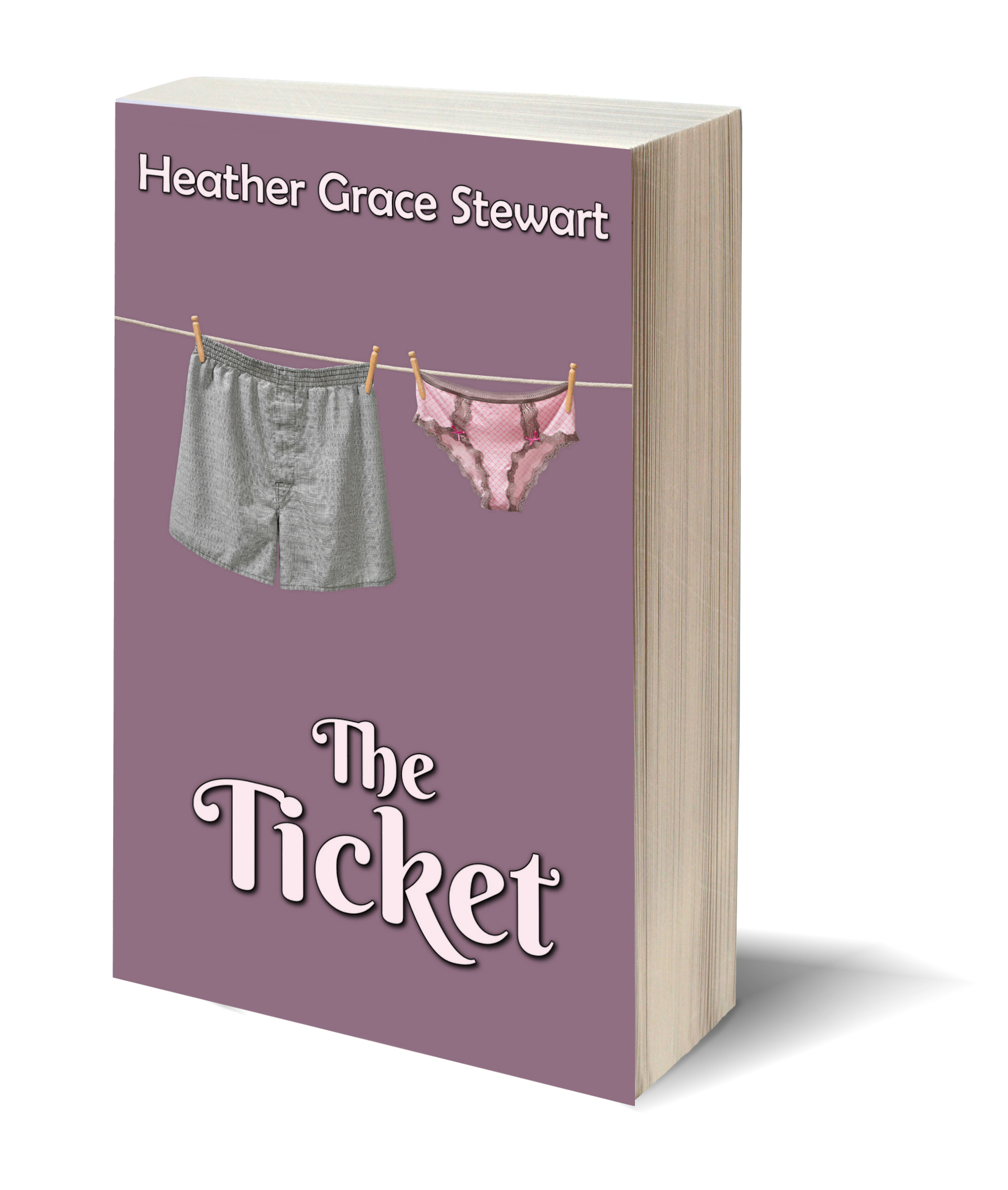
And a final thank you to all of you readers who helped keep THE TICKET in the top 6,000 Kindle books on Amazon.com for these past few weeks – you’re simply amazing! Can we hit the top 1 K? Maybe even the Top 100? Please let others know about the book if you liked it, and don’t forget to write a one-line review on Amazon too – every little bit helps spread the word.

xx

Love and all good things,
Heather

4503d-book-cover-ticket


Five Fast Tips for Writing Dialogue

Hey! This year, I’ve been doing weekly live Q&A videos Tuesdays at 2 on my Facebook Page, where you readers can interact and ask me questions (you can also throw out questions to me anytime on Twitter @hgracestewart and I’ll try to answer them within 24 hours). To help you narrow your questions to a topic, I’ve decided to offer mini-lectures whenever I can. Writing dialogue was my February 28th topic. You can watch the video (or videos, there are several archived at the top of the page) read the tips here, or both.


FIVE FAST TIPS FOR WRITING DIALOGUE

  1. DON’T OVERTHINK IT. Just write, and let your thoughts flow. You can go back and edit later. The best dialogue is natural, not forced.
  2. TALK IT OUT. Good dialogue reads like it would be spoken. So, after you have written at least a full page of dialogue, speak it out loud. You’ll find yourself editing lots once you realize just how many phrases don’t sound right when you speak them.
  3. ACT IT OUT. Go on, no one is watching you, except maybe your pets. So, stand up and try to act out what you’ve written. Play both characters. Does your scene ring true to life? Does it flow naturally? The more you try acting out your dialogue, over time, the more you’ll find that writing dialogue becomes an easier task.
  4. LOSE SOME WORDS, LOSE THE NAMES. When we speak to friends and family, we usually cut off a few words, like “went to the store,” instead of “I went to the store,” or if our spouse is calling us, we call back, “down in a sec!”  instead of “I will be there in a second.” Watch for this in the sentences you write so you can stay as true to real life speech as possible. You should also lose NAMES as much as possible in your speech. People don’t use eachother’s names very often in real speech. Have you ever thought about that? We usually only use names when we’re feeling very angry, very loving, or when we need to get a person’s attention and not very often in between.
  5. AVOID ACCENTS. Dialects and accents, when done as part of a character’s entire speech, are confusing to readers and often break the flow of reading. Don’t try to chop and change English words to make someone sound Australian or German. Very few writers can do this well. Instead, drop in an actual French or Scottish or Japanese —whichever language you are trying to achieve—word or two into that person’s speech and italicize it. Be sure you fact-check several times and get it right. This is where good, professional, paid editors are vital.

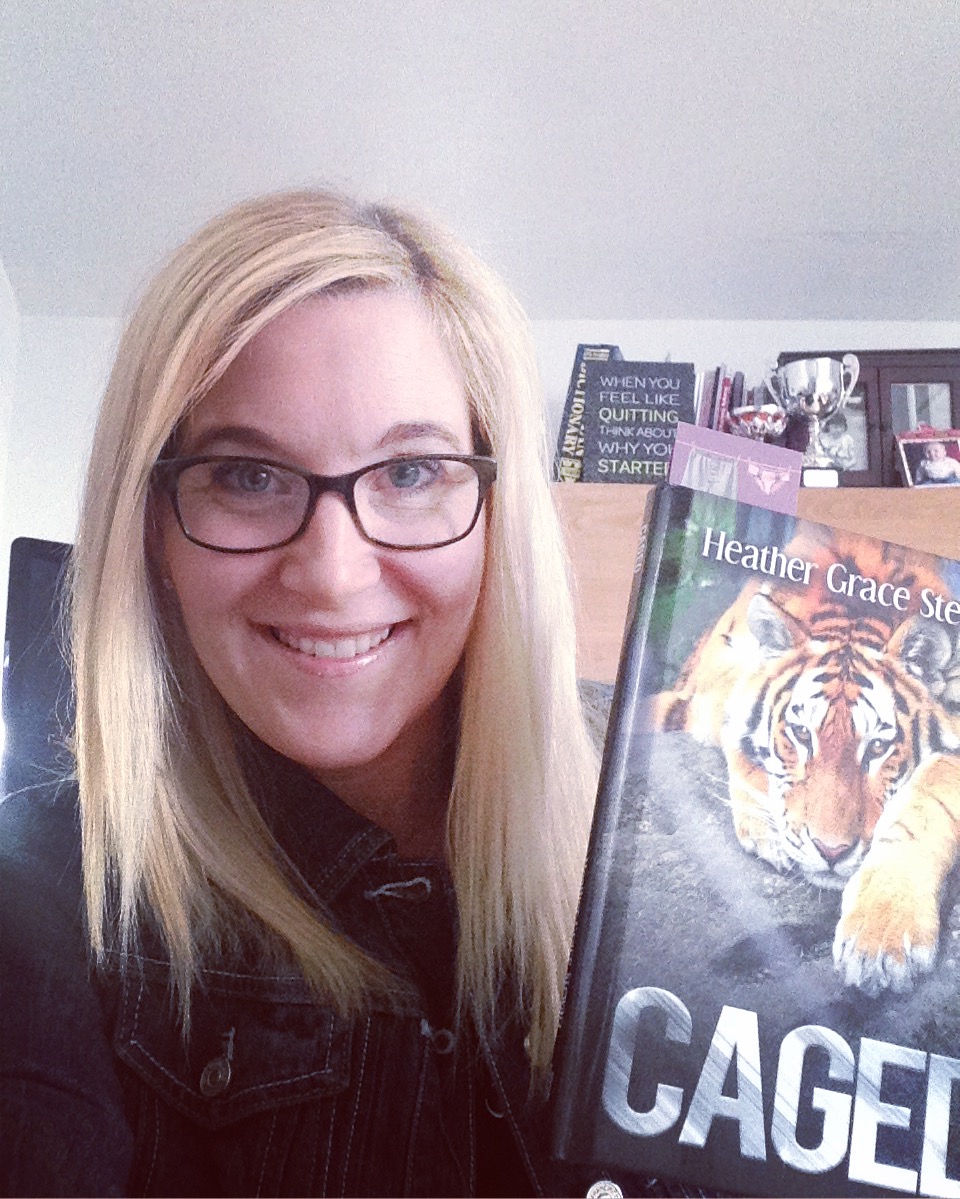
IMG_1938
Author Heather Grace Stewart with her poetry anthology CAGED during her Feb. 28, 2017 Live Q&A on Facebook. Heather will see you Tuesdays at 2 EST to discuss writing techniques and answer your questions.

I have a lot of writing to get done for my next novel, so I’m going to take a break from the social networking/videos, but I promise that I’ll be back discussing “How to find and develop your idea” on Tuesday, March 21st. I’ll be there at 2 EST, and it will be archived on the page, so if you miss it live, you can still  watch it later that day or that week. Of course, I’ll write a summary here for you, too.

Happy dialogue writing!
Love,
Heather